Inspection first · Controlled removal
Asbestos Abatement in the Denver Metro Area
When water damage, fire, or a renovation will disturb materials that may contain asbestos, the work has to follow Colorado's asbestos rules: inspection by certified personnel, then controlled abatement before demolition.
PREAMBLE
Why asbestos matters during restoration
Asbestos was widely used in building materials through much of the twentieth century, including some floor tiles and mastic, pipe and boiler insulation, textured ceilings and walls, joint compound, and siding. Intact, undisturbed materials generally pose little risk. The danger comes when they're cut, broken, sanded, or demolished and fibers become airborne.
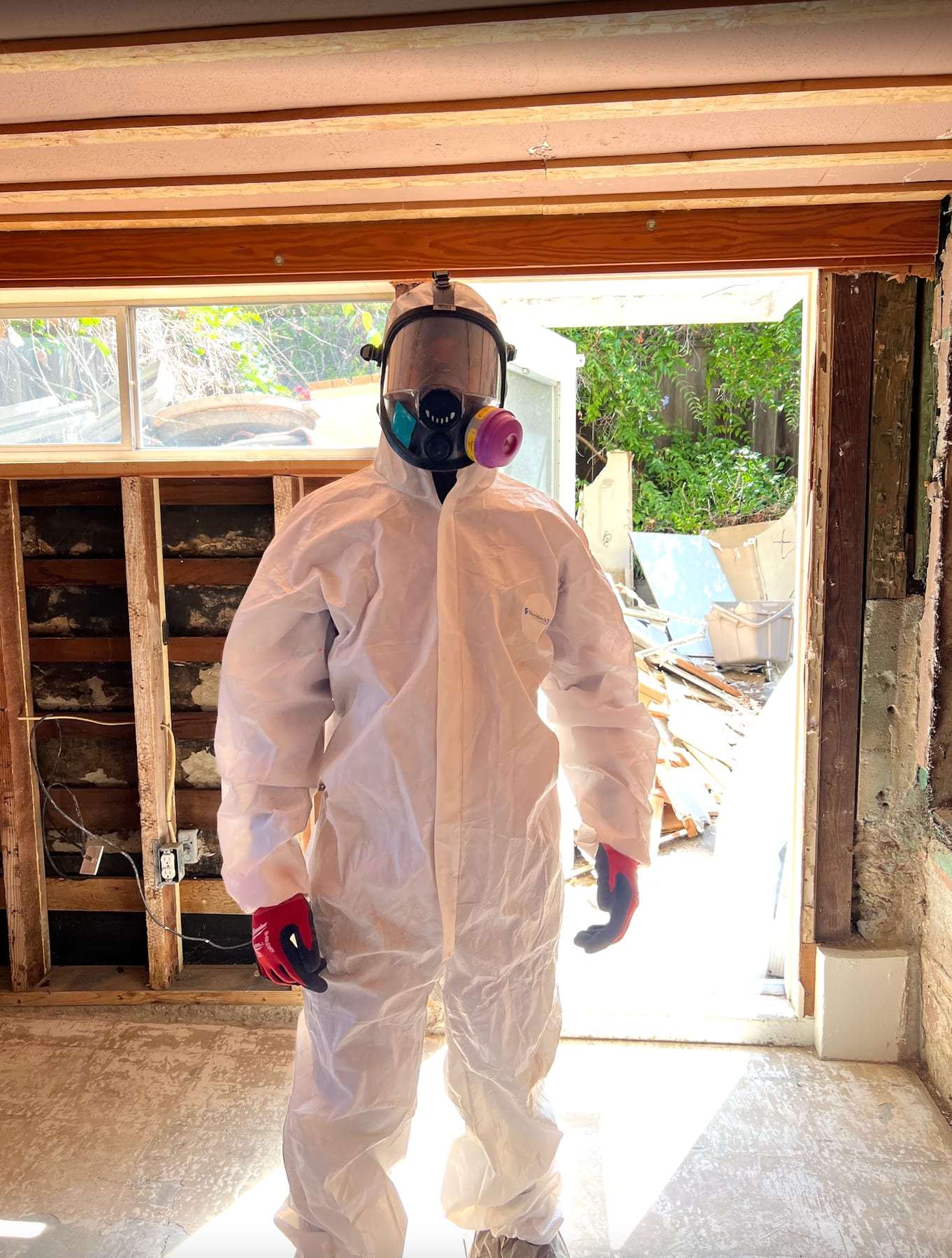
That's exactly what happens during restoration. Tearing out water-damaged flooring, removing fire-damaged drywall, or gutting a basement can disturb asbestos-containing materials in an older building. Colorado regulates this work, and doing it properly protects occupants, workers, and the property owner.
The full reference
Guides and tools on testing, permits, scopes and clearance.
Learn18
- Nine-inch floor tile and black mastic: the basement material to test first
- Popcorn ceilings: why the spray bottle and scraper come last
- Wrapped pipes and old boilers: insulation in Denver's pre-war houses
Tools9
- Room-by-room checklist of materials that may contain asbestos
- Questions to ask before hiring an asbestos building inspector
- Worksheet: compare asbestos abatement proposals line by line
When abatement becomes part of a restoration job
-
(1)
Water under old floor tile
A burst pipe soaks a 1960s basement with vinyl tile over black mastic, and testing is needed before the flooring can be removed for drying.
-
(2)
Fire-damaged textured ceiling
A kitchen fire damages a popcorn ceiling in a 1970s home. The ceiling must be tested before it's torn out.
-
(3)
Commercial renovation after a loss
A property manager repairing water damage in an older office building needs inspection and abatement before demolition can start.
SECTION 1
Testing and abatement are two different jobs
Inspection (testing)
- A certified inspector surveys the materials that the work will disturb.
- Samples go to an accredited laboratory for analysis.
- The written report says which materials contain asbestos and how much.
- Colorado generally requires an inspection before renovation or demolition that disturbs building materials.
Abatement (removal)
- A certified abatement contractor removes, encloses or encapsulates the material.
- The work area is contained and kept under negative air pressure.
- Waste is sealed, labeled and disposed of at a permitted facility.
- Clearance air sampling confirms the area is safe before containment comes down.
Materials that commonly need testing in older buildings
- Vinyl floor tiles (especially 9" × 9") and the black mastic beneath them.
- Popcorn or textured ceilings and some textured wall finishes.
- Insulation on older pipes, boilers, and ducts.
- Drywall joint compound and plaster in some older buildings.
- Some roofing, siding, and window glazing materials.
You can't identify asbestos by looking. Only lab analysis of a sample confirms it.
How asbestos abatement generally works in Colorado
Exact requirements depend on the building type, the materials, and the quantities involved. In general:
STEP 1 Inspection and sampling
A certified inspector identifies suspect materials and sends samples to an accredited lab.
STEP 2 Abatement plan and notifications
If asbestos is present above regulated amounts, the abatement is planned and any required permits or state notifications are filed.
STEP 3 Containment
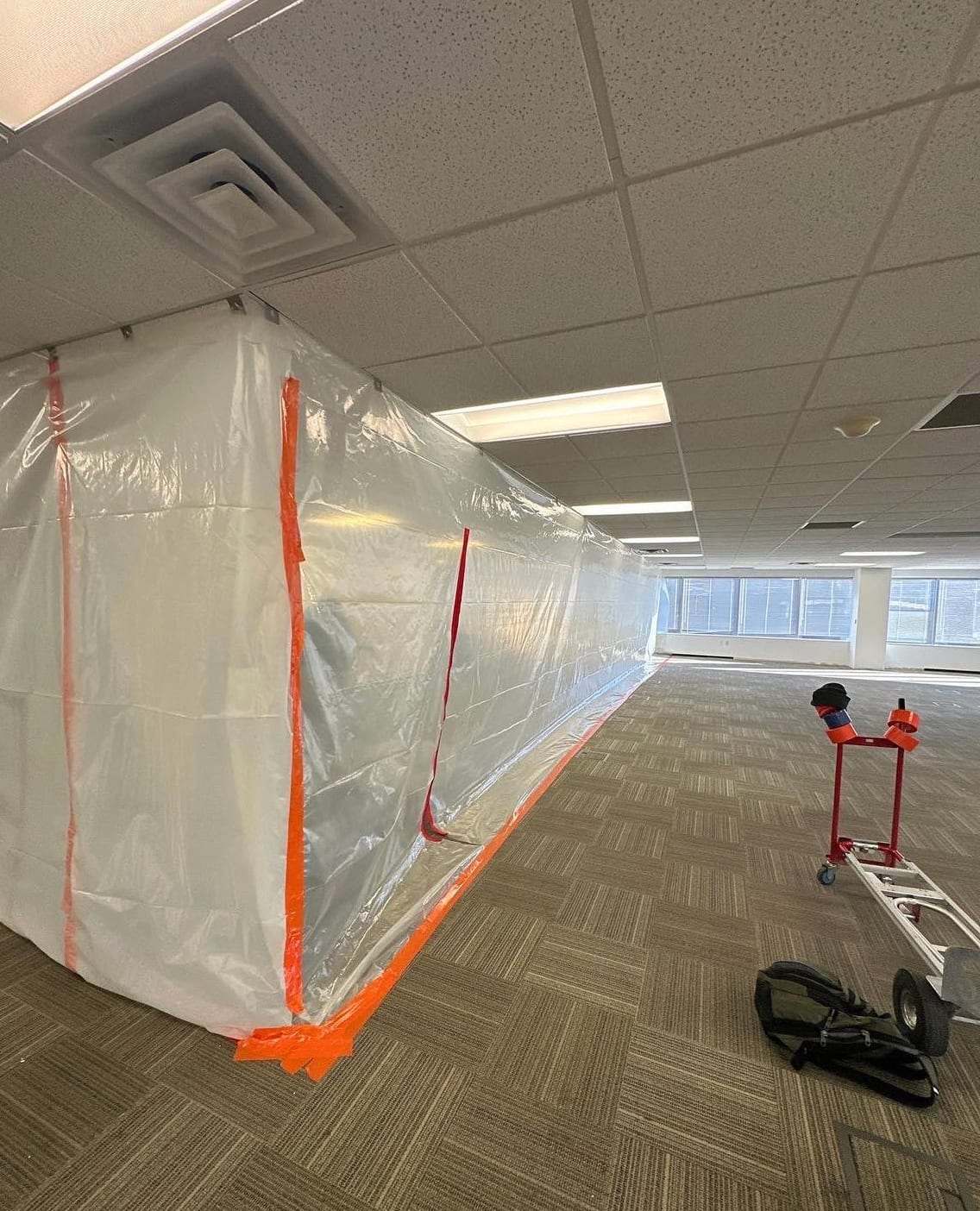
The work area is sealed, placed under negative air pressure with HEPA filtration, and posted.
STEP 4 Controlled removal
Certified workers remove the material using wet methods and bag it for disposal at an approved facility.
STEP 5 Clearance
The area is cleaned and evaluated before containment is removed and restoration work resumes.
If you suspect asbestos
-
Right away
Don't cut, sand, scrape, or demolish the material.
-
If it's damaged
If it's already been damaged, keep people out of the area and turn off HVAC that could circulate dust.
-
Next
Have the material sampled by a CDPHE-certified asbestos building inspector.
-
If results are positive
If results are positive, plan abatement by a CDPHE-certified abatement contractor before other work proceeds.
SECTION 2
Permits and notification
Above set quantity thresholds, Colorado requires a CDPHE abatement permit before work starts, and demolition projects have their own notification rules. Thresholds differ for single-family homes and other buildings, so the quantities from the inspection report decide what applies. Denver and other local building departments may also want proof of inspection before issuing a demolition or renovation permit.
This is a summary. Check the current requirements with CDPHE's Asbestos Program before planning a project.
SECTION 3
What a written abatement scope should state
A strict scope protects you. If a proposal is vague on any of these, ask for it in writing before you sign.
Inspection basis. The inspection report the work relies on: who performed it, their certification, the date and the lab results.
Materials and quantities. Each asbestos-containing material to be removed, where it is, and how much, in linear or square feet.
Containment and controls. How the work area will be isolated: sheeting, negative air, decontamination area, and wet methods.
Permits and notification. Whether a CDPHE permit or notification is required for the quantities involved, and who files it.
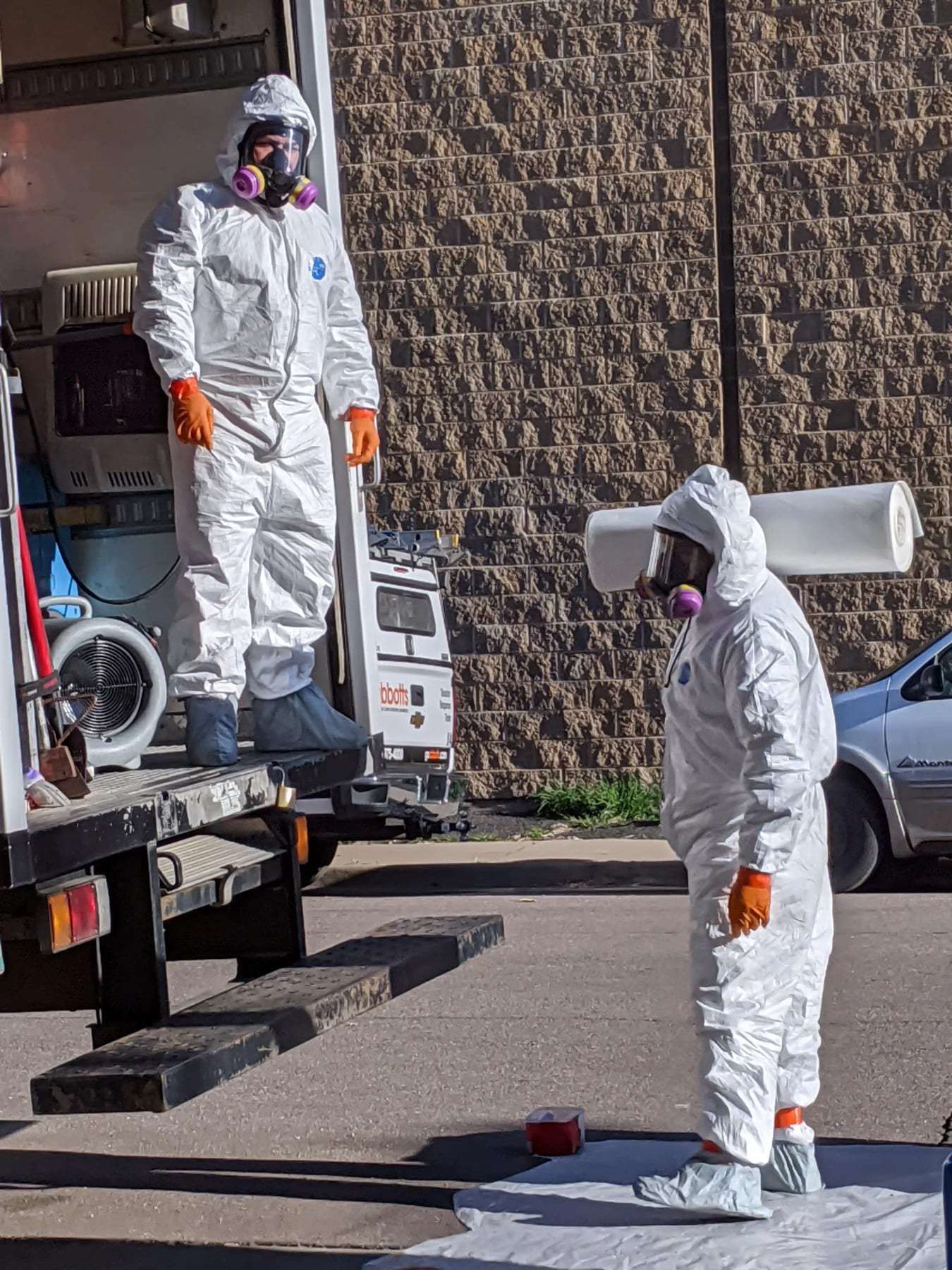
Personnel. The abatement contractor's certification and the certified supervisor and workers assigned.
Disposal. How waste is packaged, labeled and transported, and to which permitted landfill.
Clearance. How the area will be cleared before containment comes down: visual inspection and air sampling by an independent party.
Asbestos in Denver-area buildings
A large share of the Denver metro area's homes and commercial buildings were built before the 1980s, from Denver's early twentieth-century neighborhoods to the post-war suburbs of Lakewood, Aurora, Englewood, and Westminster. Many still contain original flooring, textured finishes, and insulation that may include asbestos.
Colorado regulates asbestos under Air Quality Control Commission Regulation No. 8, administered by the Colorado Department of Public Health and Environment (CDPHE). The regulation generally requires inspection by certified personnel before renovation or demolition that disturbs building materials, and abatement above set trigger levels must be performed by certified contractors with applicable permits.
Questions
How do I know if a material contains asbestos?
You can't tell by looking. A certified inspector takes samples, and an accredited laboratory analyzes them.
Is asbestos dangerous if it's left alone?
Intact, undisturbed asbestos-containing materials generally pose little risk. The hazard comes from fibers released when materials are damaged or disturbed.
Do I need an asbestos inspection before renovating my house in Colorado?
Colorado's Regulation No. 8 generally requires an inspection before renovation or demolition that disturbs building materials, with some differences for single-family homes. Check current CDPHE guidance or ask a certified inspector about your project.
Can I remove asbestos myself?
Colorado has specific rules for homeowner removal in their own single-family residence, and the work still carries real health risks. Most owners hire certified professionals. Review CDPHE guidance before attempting anything.
What happens to the removed material?
Asbestos waste is wetted, double-bagged or wrapped, labeled, and transported to a landfill permitted to accept it.
Will abatement delay my water or fire damage repairs?
It can add time, because testing and abatement must happen before affected materials are removed. Emergency steps like extraction and stabilization can often proceed while testing is arranged.
Can the same company test for asbestos and remove it?
Ask about independence. Many owners prefer an inspector and air-monitoring firm that is separate from the abatement contractor, so the party confirming the work is finished is not the one paid to do it. Either way, every person doing inspection or abatement must hold the certification Colorado requires.
Describe your project
This form is not connected. This website is a draft preview: no business has been confirmed to receive requests, so the fields below are switched off and nothing can be sent. In an emergency, call 911.